
The Next ESG Revolution is Water
For decades, industry has measured success by tonnes produced and, more recently, by reductions in carbon emissions.
I believe the next great industrial revolution will be measured by water.
Fresh water is rapidly becoming one of the world's most valuable resources. Population growth, agriculture, advanced manufacturing and, increasingly, AI data centres are all competing for the same limited supply.
A large AI data centre can consume millions of litres of water every day for cooling—equivalent to the water needs of a small town. As AI infrastructure expands, the demand for reliable fresh water will become just as important as access to electricity.
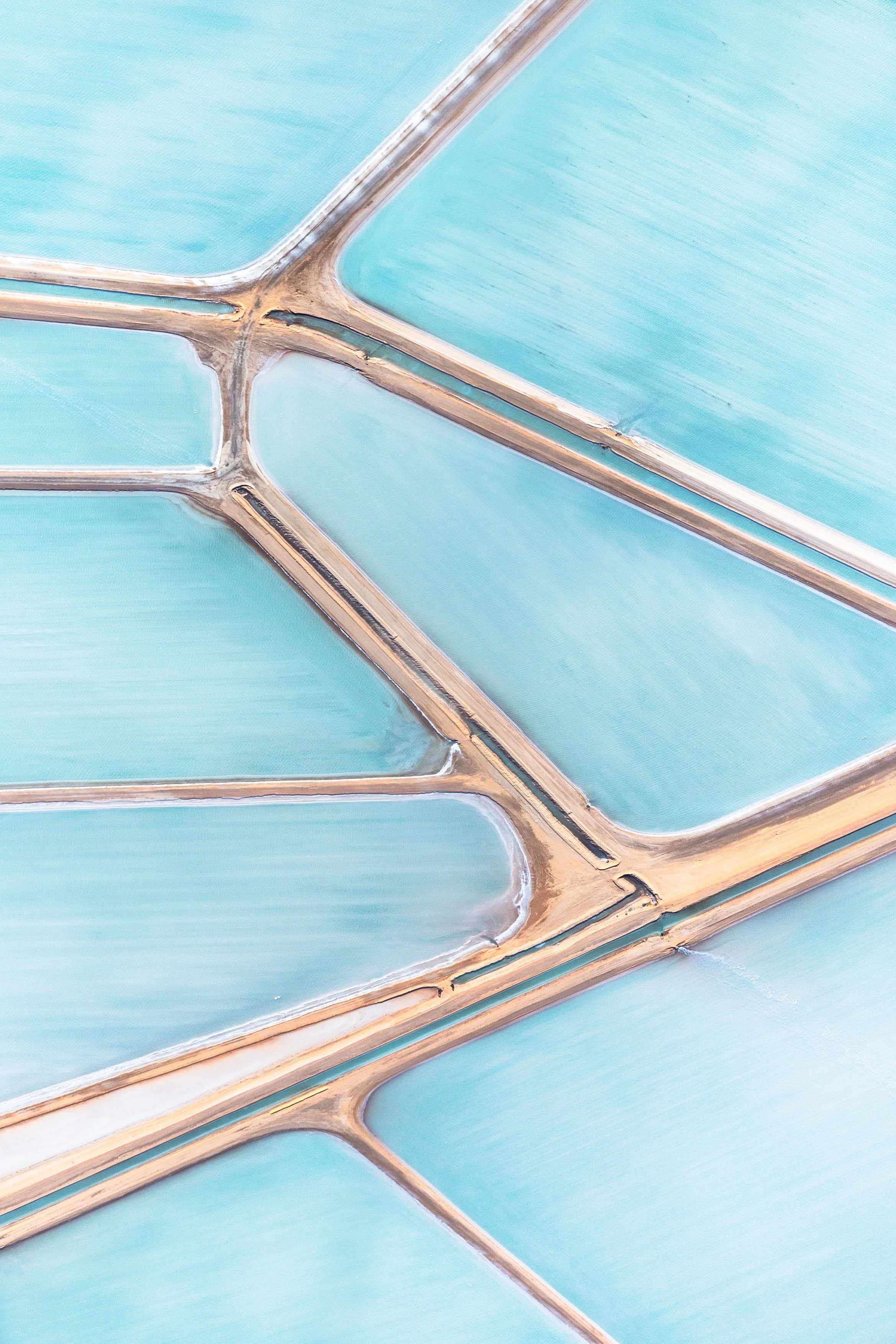
At the same time, mining, potash, solar salt, lithium and desalination industries have created vast networks of high-salinity ponds around the world. These ponds are often viewed simply as waste storage or environmental liabilities.
But what if they were viewed differently?
These ponds contain not only dissolved minerals such as magnesium, potassium and salt, but also enormous quantities of water that can potentially be recovered using modern processing technologies.
The real opportunity lies in synchronicity—recovering multiple valuable products from the same waste stream. Clean up the ponds. Recover critical minerals. Produce high-value chemicals. Generate fresh water. Reduce environmental liabilities. Create new industries.
The future will belong to companies that do not treat waste as waste, but as a resource.
Perhaps it is time to rethink how we measure sustainability.
A company's environmental performance should not be judged solely by its carbon footprint. Its water footprint—and even more importantly, its ability to generate new fresh water—should carry equal weight.
The industries that will lead the next generation of sustainable development will be those that can create value while restoring natural resources.
Save water. Recover resources. Clean up the environment. Build profitable industries.
That is the circular economy the world now needs.