
Truth in Traceability
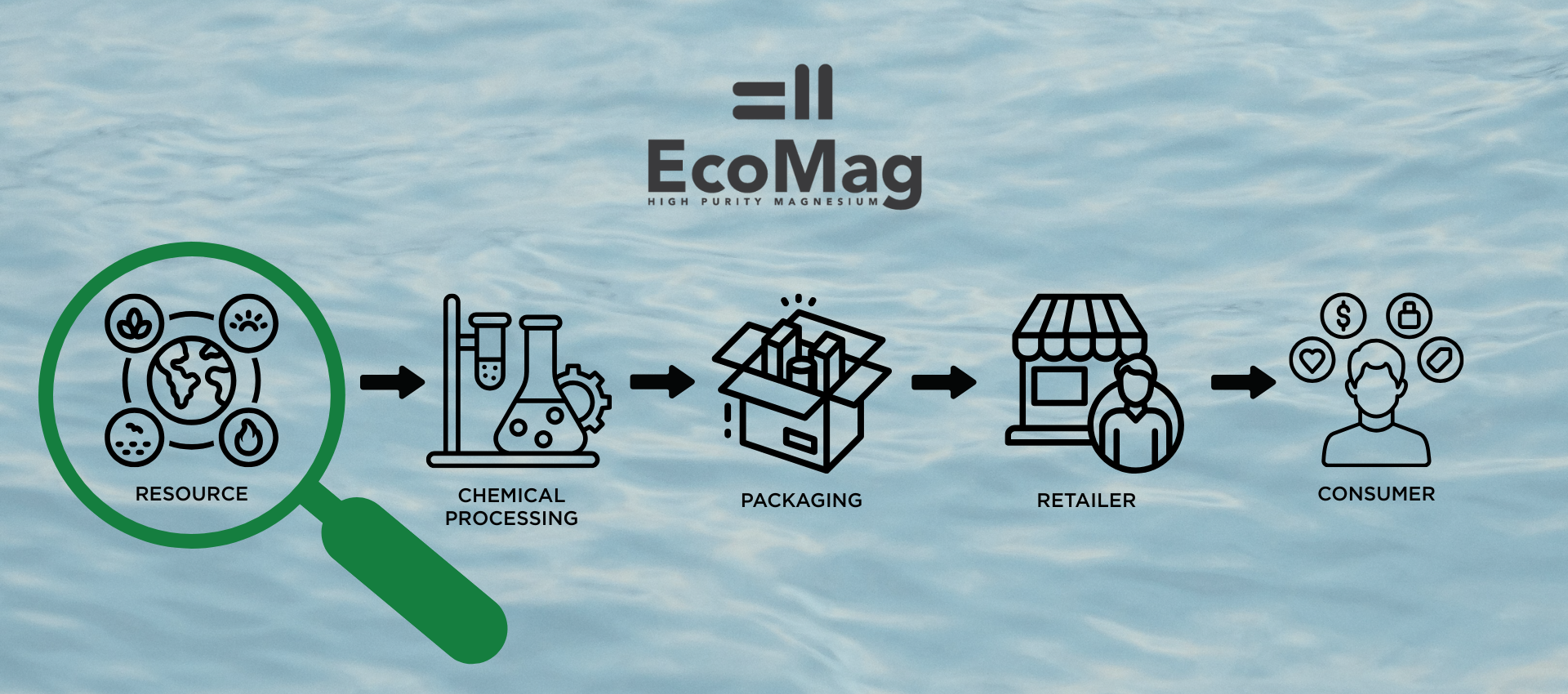
Traceability has become a cornerstone of modern consumer trust. Today, companies are expected to show where a product is made, how it is packaged, and how it reaches the customer. While this has improved transparency at the finished-product level, it often fails to address the origins of the chemicals and materials that make those products possible. These upstream inputs remain largely invisible, despite being the primary drivers of environmental impact. This omission creates a traceability blind spot.
Many products marketed as sustainable rely on chemicals produced through mining, high-energy processing, or systems that discharge waste into the environment. Without visibility into how these chemicals are sourced and manufactured, sustainability claims can be incomplete or misleading. True accountability requires understanding not just the product, but the chemical pathways that underpin it.
Truth in Traceability closes this gap by extending transparency back to the molecular level. It asks four essential questions: what is the chemical, where did it come from, how was it produced, and what happened to the waste and emissions created in the process. For EcoMag, this approach is fundamental. The company is committed to recovering magnesium and related materials from existing industrial waste streams, transforming what would otherwise be an environmental liability into a valuable resource.
By recovering materials from waste rather than extracting new resources, EcoMag aligns commercial production with environmental responsibility. This commitment reduces emissions, eliminates discharge, and avoids the long-term impacts associated with conventional mining and chemical manufacturing. In doing so, Truth in Traceability becomes more than a transparency framework—it becomes a demonstration of responsibility to the environment, where sustainable sourcing is proven, measurable, and embedded at the core of the product itself.